Introduction
Digital marketing has become a cornerstone of business success in today’s internet-driven world. With the rapid growth of smartphones, social media platforms, and online shopping, most customers now research products and services online before making a decision. This shift in consumer behavior has made online visibility more important than ever.
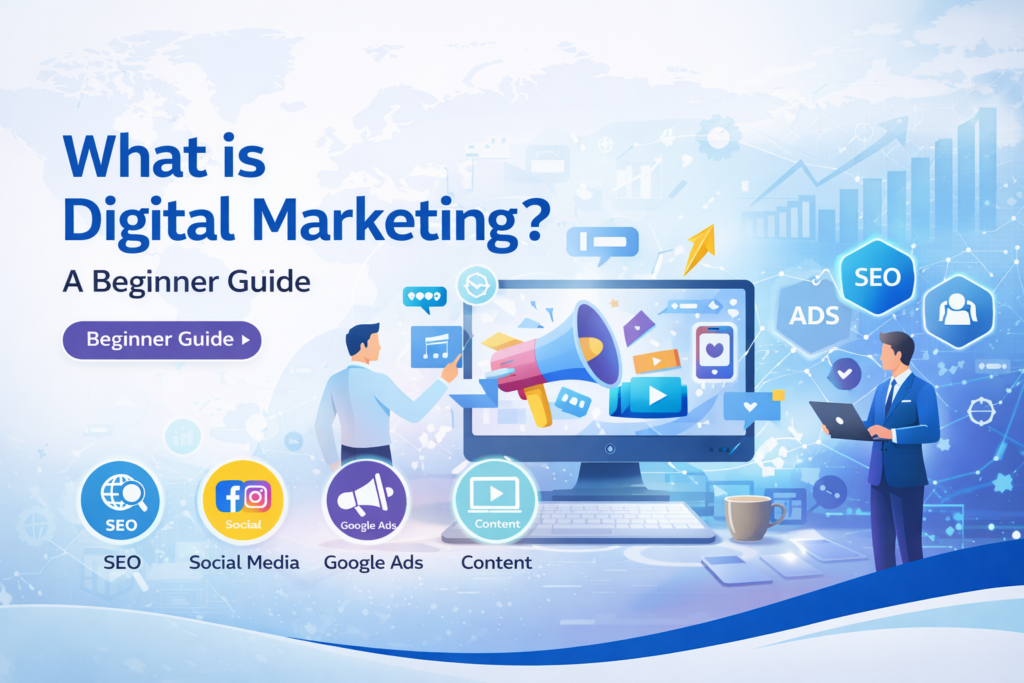
Digital marketing refers to promoting products, services, or brands through digital platforms such as search engines, websites, social media, email, and mobile apps. Unlike traditional marketing methods, digital marketing allows businesses to target specific audiences, measure campaign performance in real time, and continuously optimize strategies for better results.
What is Digital Marketing?
Digital marketing is the process of using online channels and digital technologies to connect with potential customers and promote business offerings. It includes a wide range of strategies aimed at increasing brand awareness, generating leads, driving website traffic, and improving customer engagement.
Whether it’s a small startup or a large enterprise, digital marketing helps businesses reach their ideal audience efficiently and effectively.
Key Digital Marketing Channels
1. Search Engine Optimization (SEO)
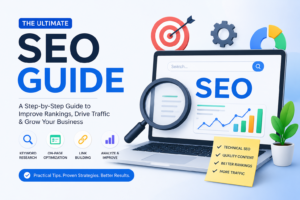
SEO focuses on improving a website’s visibility on search engines like Google. By optimizing content, keywords, and technical aspects of a website, businesses can rank higher in search results and attract organic traffic.
Key elements of SEO:
On-page SEO (keywords, meta tags, content optimization)
Off-page SEO (backlinks, authority building)
Technical SEO (site speed, mobile-friendliness)
2. Social Media Marketing
Social media marketing involves promoting brands through platforms like Instagram, Facebook, LinkedIn, and Twitter. It helps businesses engage directly with their audience, build relationships, and increase brand awareness.
Popular strategies:
Content posting and storytelling
Influencer collaborations
Paid social media ads
3. Google Ads (PPC Advertising)
Pay-Per-Click (PPC) advertising allows businesses to gain instant visibility by placing ads on search engines and other platforms. Google Ads is one of the most widely used PPC platforms.
Advantages:
Immediate traffic
Targeted audience reach
Budget control and measurable ROI
4. Content Marketing
Content marketing focuses on creating valuable and relevant content to attract and engage customers. This includes blogs, videos, infographics, and guides.
Examples of content:
Educational blog posts
How-to videos
E-books and case studies
5. Email Marketing
Email marketing remains one of the most effective ways to nurture leads and maintain customer relationships. Businesses use email campaigns to share updates, offers, and personalized content.
6. Affiliate and Influencer Marketing
Businesses collaborate with influencers or affiliates to promote their products. This strategy helps reach new audiences and build credibility through trusted voices.
Why Digital Marketing Matters
Digital marketing allows businesses to meet customers where they already spend most of their time — online. With billions of people using the internet daily, businesses can expand their reach far beyond traditional limitations.
It also enables:
Personalized marketing experiences
Data-driven decision-making
Real-time customer interaction
Benefits of Digital Marketing
- Increases Online Visibility: Helps your business appear in search results and social platforms
- Targets the Right Audience: Advanced targeting based on demographics, interests, and behavior
- Provides Measurable Results: Track clicks, conversions, and ROI easily
- Cost-Effective: Lower investment compared to traditional marketing methods
- Improves Customer Engagement: Direct interaction through social media and email
- Scalable Growth: Campaigns can be adjusted and scaled as your business grows
Future of Digital Marketing
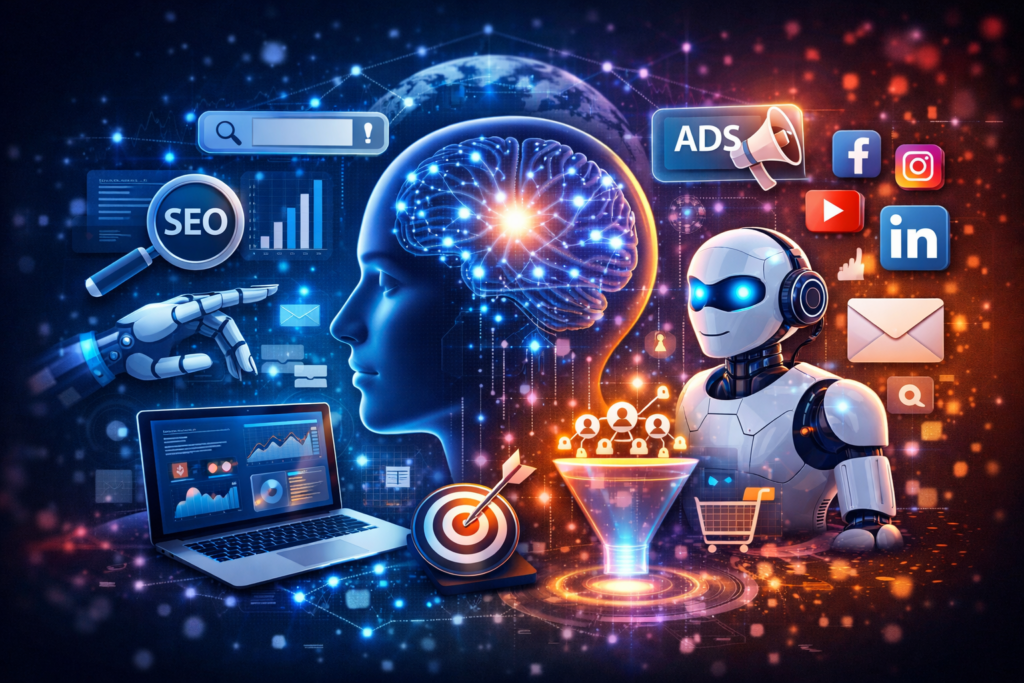
The future of digital marketing is driven by technology and innovation. Trends such as Artificial Intelligence (AI), voice search, video marketing, and personalization are shaping the industry.
Businesses that stay updated with these trends and adapt quickly will have a competitive advantage in the market.
Conclusion
Digital marketing is no longer optional — it is essential for business growth in the modern world. By combining strategies like SEO, social media marketing, content creation, email campaigns, and paid advertising, businesses can build a strong online presence, gain customer trust, and achieve long-term success.
FAQs
1. What is digital marketing in simple words?
Digital marketing is promoting products or services using the internet through platforms like Google, social media, email, and websites.
2. Why is digital marketing important for businesses?
It helps businesses reach a wider audience, generate leads, increase sales, and build brand awareness in a cost-effective way.
3. Which digital marketing strategy is best for beginners?
SEO and content marketing are great starting points because they provide long-term results and help build organic traffic.
4. How long does it take to see results in digital marketing?
It depends on the strategy. SEO may take 3–6 months, while PPC ads can generate results immediately.
5. What skills are required for digital marketing?
Key skills include SEO, content writing, social media management, analytics, paid advertising, and basic design knowledge.